








Creating "Fury"
Дата: 12.07.2014 01:25:18
The_Chieftain: We in the West have been without a good movie for tankers for quite
a long time. As I look at my list of ‘required-watching movies for
tankers’, which covers a fair range to include Monty Python and The
Holy Grail, when it comes to actual tanks it’s a matter of decades,
not years: The Beast, Kelly’s Heroes. The Pentagon Wars. And
the last two aren’t even serious. The scene in A Bridge Too Far
where Michael Caine’s Irish Guards punch through the German
defensive line is probably one of the best pieces of
tank-and-artillery awesomeness on celluloid, but mainly
because we’ve not had much else to begin with. So, like presumably
all other tankers, I’ve been keeping an eye on the development of
Fury since it was first announced. As a result, when I was invited
to swing by the production studio (I guess they heard I like tanks
and know a few things about them), it did not take much persuading
for me to detour to the UK on the way home from Russia. Since, at
E3, we made it public knowledge that we at Wargaming have been
having a chat with the Fury lads, now's as good a time as any to
let you know what I saw. 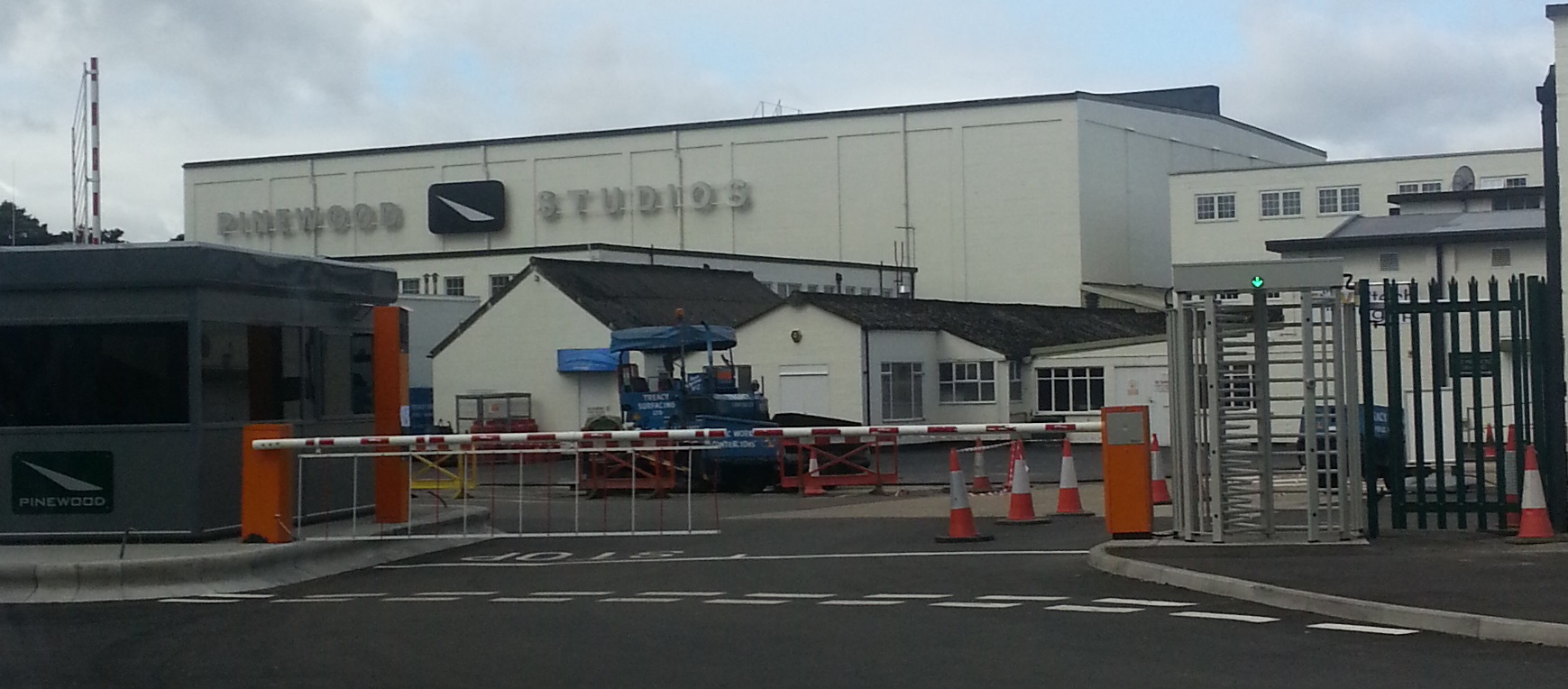 The first stop was the storied Pinewood Studios.
It was a hive of activity. I’m told that there were seven
films in production right now (and buggered if I can identify the
weird vehicle I saw being prepared over in the James Bond stage). I
was immediately ushered into the office of Fury’s
writer/director David Ayer, and the first thing I see is a terrain
model of a field. The second thing I see is another terrain model
of a town. Model M4s, halftracks, Panzers and other equipment
were scattered throughout the office. There were probably
other people in there too but I didn’t really notice beyond the
tanks. Truth be told, I was too overwhelmed/enthusiastic to
remember to take pictures, or notes. But pictures there were
aplenty. Half the walls were plastered by photographs and
reference materials of tanks. The next room over had –all- the
walls plastered by photographs and other references of tanks, guns,
infantry, and buildings. It was immediately apparent that Mr Ayer
is personally vested in this film as we discuss the project’s
background. We start delving into smaller details and he’s keeping
up where most normal people I talk to about tanks start to have
their eyes glaze over. During a discussion on the differences of
the production models of Tiger tanks, he quickly pulls down a copy
of Spielberger’s Tiger book and unerringly goes straight to the
appropriate page. He’s obviously been doing the research himself.
(I also saw Zaloga, Jentz and Fletcher during my quick scan of the
bookshelf). He’s not the only one. One of his senior staff, an
Irishman by the name of Owen, was beaming with joy as he opened a
new shipment of uniforms and then showed it off to Mr Ayer and
myself. Copied directly from the originals, down to the
manufacturers’ stamps on the inside linings, apparently the best
detailed uniforms ever provided to a war movie. I have to take his
word for it, but his enthusiasm seemed genuine enough. In any case,
I was certainly not the first tanker to go over the script: There
were some details which really only a tanker would know or
understand. After a while, I took my leave of Mr Ayer to let him
get back to work, and we went to visit the rest of the staff.
Plans and photos for tanks were everywhere. Not just plans, I
saw a printout of a LIDAR scan of an M4 turret interior for
recreating. (They had to make a fake turret and hull with removable
access panels in order to get the camera in, but by Jove, they’re
going to get the interior right). I basically got the VIP
tour. Over to one of the prop areas, where I saw a huge
collection of crates, jerrycans, tyres.. Just like a real war,
really, far more support assets than weapons. I saw a
Kubelwagen being prepared, and a German field kitchen being built
from the raw wood. I am astonished by the level of effort being
undertaken at that stage and yet to be done considering that
filming was starting the following month. But that was just
the start. The next stop, after lunch in the fascinating Pinewood
mess, was the –other- production studio, over at Longcross.
Building a field kitchen is nothing.
The first stop was the storied Pinewood Studios.
It was a hive of activity. I’m told that there were seven
films in production right now (and buggered if I can identify the
weird vehicle I saw being prepared over in the James Bond stage). I
was immediately ushered into the office of Fury’s
writer/director David Ayer, and the first thing I see is a terrain
model of a field. The second thing I see is another terrain model
of a town. Model M4s, halftracks, Panzers and other equipment
were scattered throughout the office. There were probably
other people in there too but I didn’t really notice beyond the
tanks. Truth be told, I was too overwhelmed/enthusiastic to
remember to take pictures, or notes. But pictures there were
aplenty. Half the walls were plastered by photographs and
reference materials of tanks. The next room over had –all- the
walls plastered by photographs and other references of tanks, guns,
infantry, and buildings. It was immediately apparent that Mr Ayer
is personally vested in this film as we discuss the project’s
background. We start delving into smaller details and he’s keeping
up where most normal people I talk to about tanks start to have
their eyes glaze over. During a discussion on the differences of
the production models of Tiger tanks, he quickly pulls down a copy
of Spielberger’s Tiger book and unerringly goes straight to the
appropriate page. He’s obviously been doing the research himself.
(I also saw Zaloga, Jentz and Fletcher during my quick scan of the
bookshelf). He’s not the only one. One of his senior staff, an
Irishman by the name of Owen, was beaming with joy as he opened a
new shipment of uniforms and then showed it off to Mr Ayer and
myself. Copied directly from the originals, down to the
manufacturers’ stamps on the inside linings, apparently the best
detailed uniforms ever provided to a war movie. I have to take his
word for it, but his enthusiasm seemed genuine enough. In any case,
I was certainly not the first tanker to go over the script: There
were some details which really only a tanker would know or
understand. After a while, I took my leave of Mr Ayer to let him
get back to work, and we went to visit the rest of the staff.
Plans and photos for tanks were everywhere. Not just plans, I
saw a printout of a LIDAR scan of an M4 turret interior for
recreating. (They had to make a fake turret and hull with removable
access panels in order to get the camera in, but by Jove, they’re
going to get the interior right). I basically got the VIP
tour. Over to one of the prop areas, where I saw a huge
collection of crates, jerrycans, tyres.. Just like a real war,
really, far more support assets than weapons. I saw a
Kubelwagen being prepared, and a German field kitchen being built
from the raw wood. I am astonished by the level of effort being
undertaken at that stage and yet to be done considering that
filming was starting the following month. But that was just
the start. The next stop, after lunch in the fascinating Pinewood
mess, was the –other- production studio, over at Longcross.
Building a field kitchen is nothing. 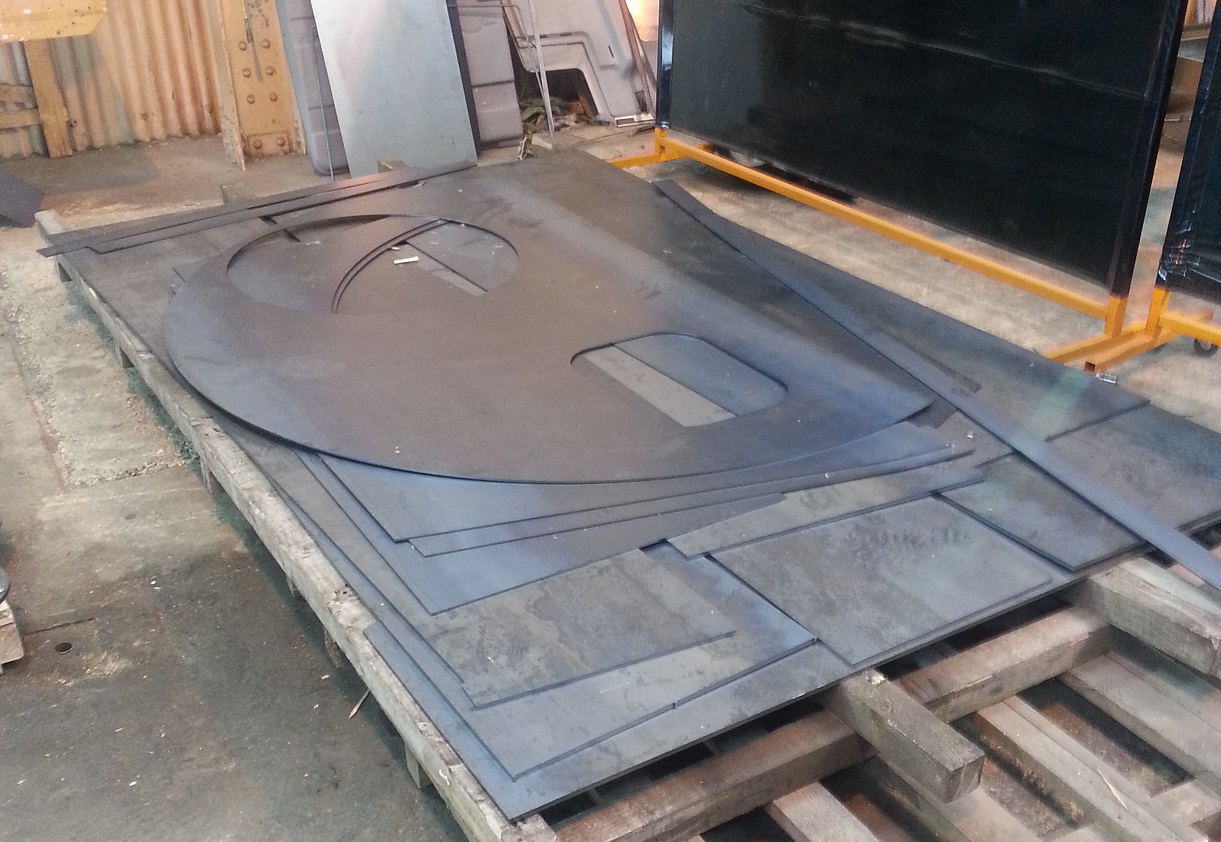 Amongst the tanks used in making the film,
they used Tiger 131, but for some reason, Bovington won’t
let them blow it up. So they made one. Or, actually, since this
chap’s working on a second turret, apparently more than one.
Amongst the tanks used in making the film,
they used Tiger 131, but for some reason, Bovington won’t
let them blow it up. So they made one. Or, actually, since this
chap’s working on a second turret, apparently more than one.
 Now, here’s the really cool bit. Longcross used to be
the local version of the US’s Aberdeen Proving Ground. The
suspension test track and gradient tracks are still on the movie
studio’s grounds. A large, round glass building marks where
Chieftain tank turrets were tested. And these “Tigers” will not be
the first ones there.
Now, here’s the really cool bit. Longcross used to be
the local version of the US’s Aberdeen Proving Ground. The
suspension test track and gradient tracks are still on the movie
studio’s grounds. A large, round glass building marks where
Chieftain tank turrets were tested. And these “Tigers” will not be
the first ones there. 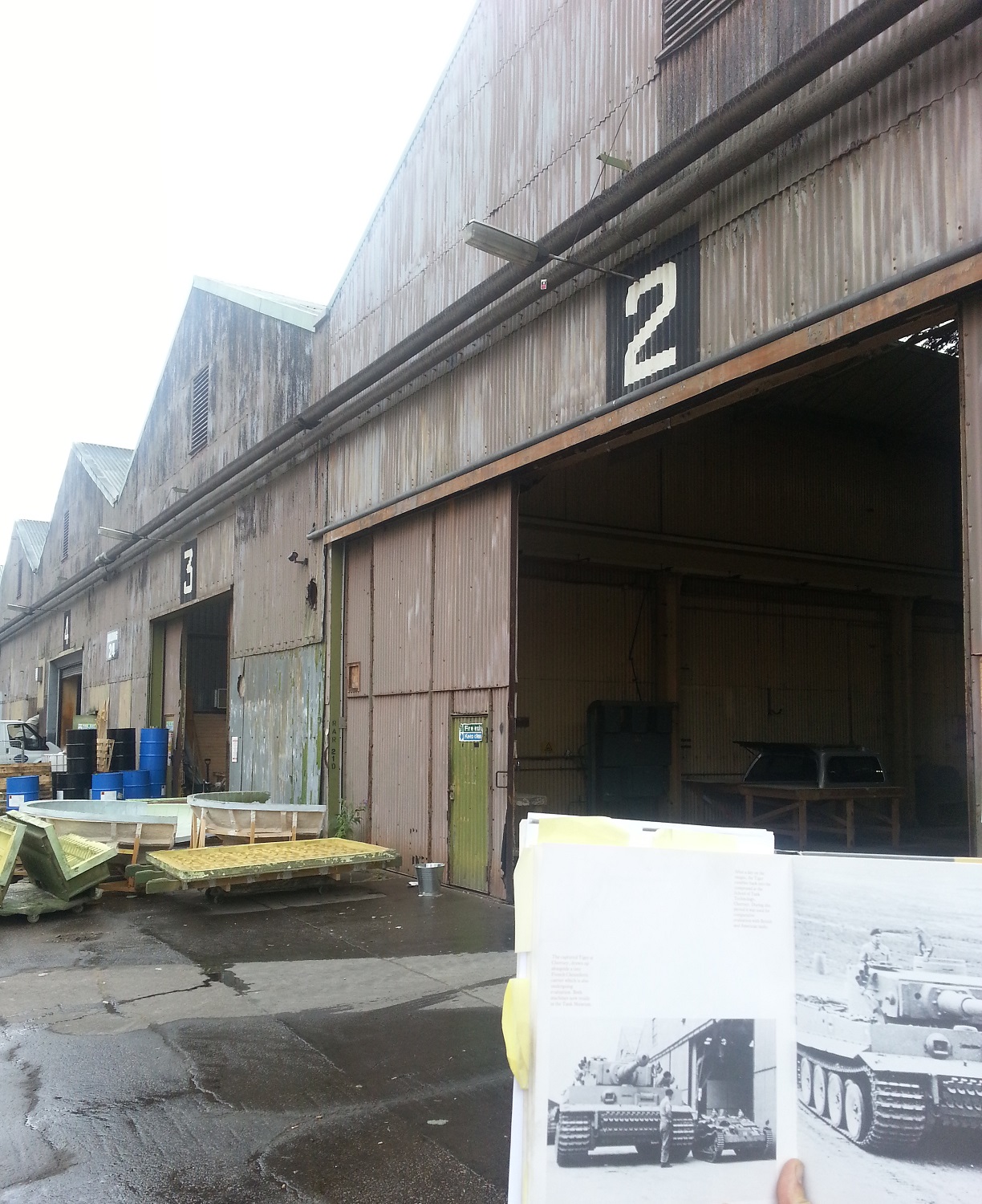 That’s Tiger 131 in the photograph in the book (The
exploitation report of Tiger from WWII). Note the similarity of the
building in the background of the book and the actual building.
Yep, they built the Tigers in the exact same building in
which Tiger 131 was evaluated almost exactly 70 years ago. How
awesome is that? Gets two thumbs up from Owen and myself.
That’s Tiger 131 in the photograph in the book (The
exploitation report of Tiger from WWII). Note the similarity of the
building in the background of the book and the actual building.
Yep, they built the Tigers in the exact same building in
which Tiger 131 was evaluated almost exactly 70 years ago. How
awesome is that? Gets two thumbs up from Owen and myself. 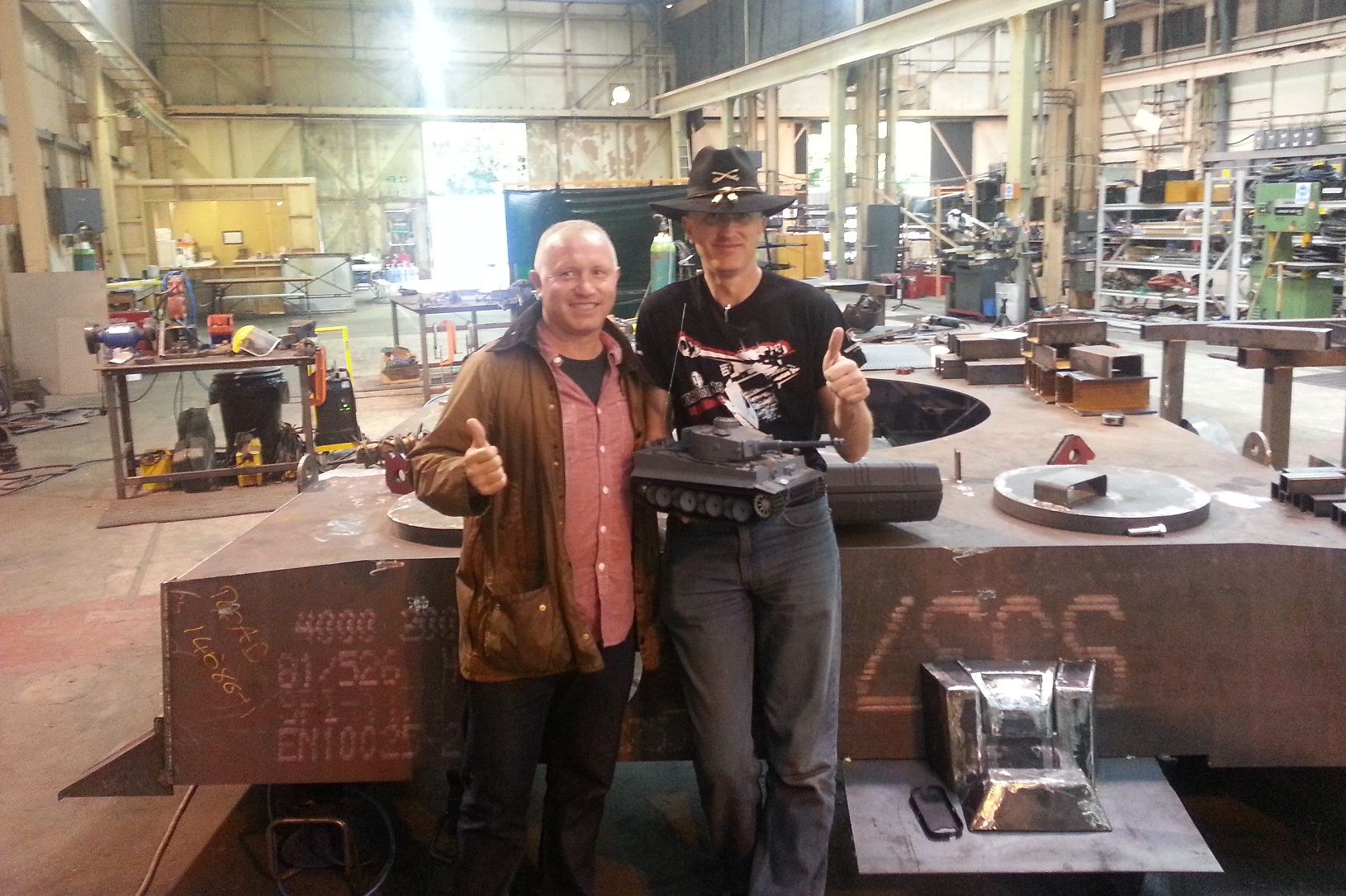 Sadly, my photo of the chap they have in charge of
this endeavor didn’t come out, but this isn’t his first crack at
tank-building for the movies. But wait, there’s more. I suspect at
least one M4 in the movie is going to meet an unfortunate end.
Sadly, my photo of the chap they have in charge of
this endeavor didn’t come out, but this isn’t his first crack at
tank-building for the movies. But wait, there’s more. I suspect at
least one M4 in the movie is going to meet an unfortunate end.
 Ignore the dummies on this one. The photo is taken
behind armoured glass in an observation deck in one of the
buildings.
Ignore the dummies on this one. The photo is taken
behind armoured glass in an observation deck in one of the
buildings. 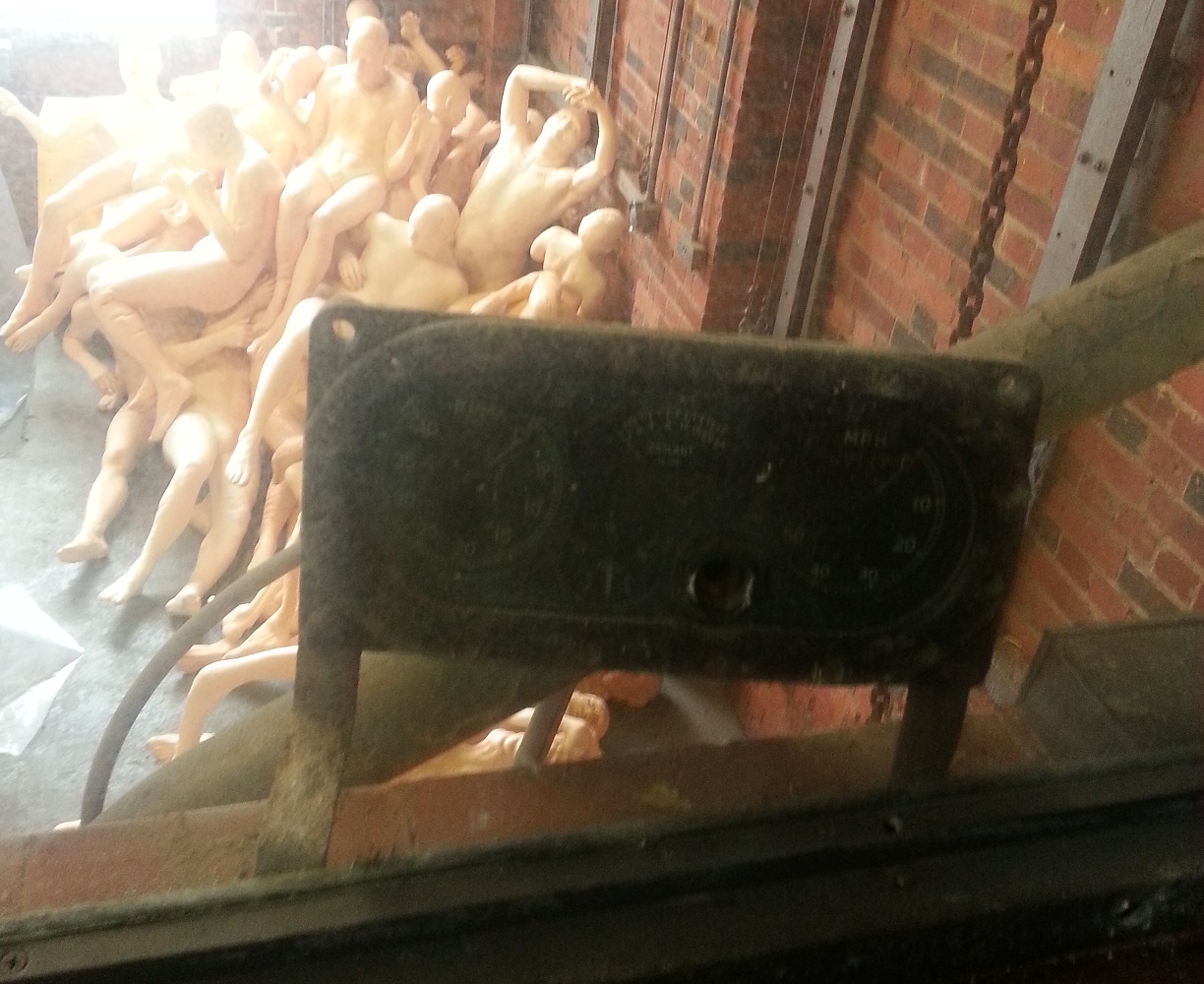 The instrument panel indicates that this was part of
an engine testing facility. The armoured glass was because these
engines could be tested to destruction, and the MoD apparently
didn’t want its engineers killed by pieces of exploding engine
flying around. Awfully considerate of them. Incidentally, nearby
road signs indicate that Chobham is almost the next town over,
another important place in the annals of tank development. The
serendipity of this location for filming is just too great. I’ll
just finish on this one. Mr Ayer claimed his favourite movie to be
Apocalypse Now, so he was most willing to end this article with his
channeling LTC Kilgore by posing wearing The Awesome Hat of
Awesomeness.
The instrument panel indicates that this was part of
an engine testing facility. The armoured glass was because these
engines could be tested to destruction, and the MoD apparently
didn’t want its engineers killed by pieces of exploding engine
flying around. Awfully considerate of them. Incidentally, nearby
road signs indicate that Chobham is almost the next town over,
another important place in the annals of tank development. The
serendipity of this location for filming is just too great. I’ll
just finish on this one. Mr Ayer claimed his favourite movie to be
Apocalypse Now, so he was most willing to end this article with his
channeling LTC Kilgore by posing wearing The Awesome Hat of
Awesomeness. 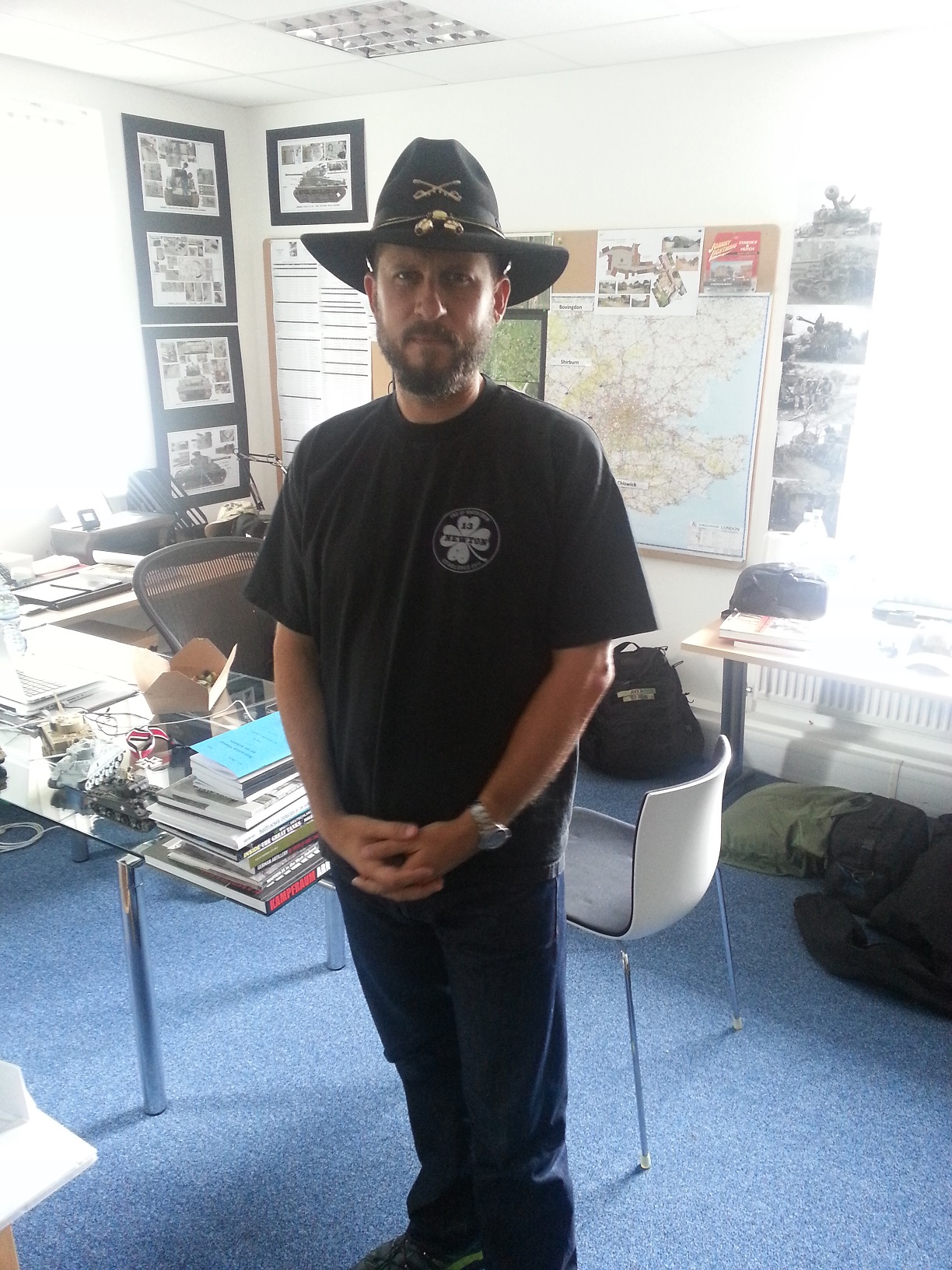 I have to say, I’ve been very impressed by the scope
of effort and passion I saw evident in this production amongst the
entire staff (Of course, it’s not as if I have any other movie
background to compare against!) and I am definitely looking forward
to seeing how this progresses and what the final product will look
like. My extreme gratitude particularly to Messers Alex Ott
(Co-Producer) and Owen Thornton (Associate Producer) for taking the
time out of their day to show me around, and to Mr Ayer and the
rest of the Fury staff for making me as welcome as they did. It was
a fascinating visit.
I have to say, I’ve been very impressed by the scope
of effort and passion I saw evident in this production amongst the
entire staff (Of course, it’s not as if I have any other movie
background to compare against!) and I am definitely looking forward
to seeing how this progresses and what the final product will look
like. My extreme gratitude particularly to Messers Alex Ott
(Co-Producer) and Owen Thornton (Associate Producer) for taking the
time out of their day to show me around, and to Mr Ayer and the
rest of the Fury staff for making me as welcome as they did. It was
a fascinating visit.
The first stop was the storied Pinewood Studios.
It was a hive of activity. I’m told that there were seven
films in production right now (and buggered if I can identify the
weird vehicle I saw being prepared over in the James Bond stage). I
was immediately ushered into the office of Fury’s
writer/director David Ayer, and the first thing I see is a terrain
model of a field. The second thing I see is another terrain model
of a town. Model M4s, halftracks, Panzers and other equipment
were scattered throughout the office. There were probably
other people in there too but I didn’t really notice beyond the
tanks. Truth be told, I was too overwhelmed/enthusiastic to
remember to take pictures, or notes. But pictures there were
aplenty. Half the walls were plastered by photographs and
reference materials of tanks. The next room over had –all- the
walls plastered by photographs and other references of tanks, guns,
infantry, and buildings. It was immediately apparent that Mr Ayer
is personally vested in this film as we discuss the project’s
background. We start delving into smaller details and he’s keeping
up where most normal people I talk to about tanks start to have
their eyes glaze over. During a discussion on the differences of
the production models of Tiger tanks, he quickly pulls down a copy
of Spielberger’s Tiger book and unerringly goes straight to the
appropriate page. He’s obviously been doing the research himself.
(I also saw Zaloga, Jentz and Fletcher during my quick scan of the
bookshelf). He’s not the only one. One of his senior staff, an
Irishman by the name of Owen, was beaming with joy as he opened a
new shipment of uniforms and then showed it off to Mr Ayer and
myself. Copied directly from the originals, down to the
manufacturers’ stamps on the inside linings, apparently the best
detailed uniforms ever provided to a war movie. I have to take his
word for it, but his enthusiasm seemed genuine enough. In any case,
I was certainly not the first tanker to go over the script: There
were some details which really only a tanker would know or
understand. After a while, I took my leave of Mr Ayer to let him
get back to work, and we went to visit the rest of the staff.
Plans and photos for tanks were everywhere. Not just plans, I
saw a printout of a LIDAR scan of an M4 turret interior for
recreating. (They had to make a fake turret and hull with removable
access panels in order to get the camera in, but by Jove, they’re
going to get the interior right). I basically got the VIP
tour. Over to one of the prop areas, where I saw a huge
collection of crates, jerrycans, tyres.. Just like a real war,
really, far more support assets than weapons. I saw a
Kubelwagen being prepared, and a German field kitchen being built
from the raw wood. I am astonished by the level of effort being
undertaken at that stage and yet to be done considering that
filming was starting the following month. But that was just
the start. The next stop, after lunch in the fascinating Pinewood
mess, was the –other- production studio, over at Longcross.
Building a field kitchen is nothing. Amongst the tanks used in making the film,
they used Tiger 131, but for some reason, Bovington won’t
let them blow it up. So they made one. Or, actually, since this
chap’s working on a second turret, apparently more than one.
Now, here’s the really cool bit. Longcross used to be
the local version of the US’s Aberdeen Proving Ground. The
suspension test track and gradient tracks are still on the movie
studio’s grounds. A large, round glass building marks where
Chieftain tank turrets were tested. And these “Tigers” will not be
the first ones there. That’s Tiger 131 in the photograph in the book (The
exploitation report of Tiger from WWII). Note the similarity of the
building in the background of the book and the actual building.
Yep, they built the Tigers in the exact same building in
which Tiger 131 was evaluated almost exactly 70 years ago. How
awesome is that? Gets two thumbs up from Owen and myself. Sadly, my photo of the chap they have in charge of
this endeavor didn’t come out, but this isn’t his first crack at
tank-building for the movies. But wait, there’s more. I suspect at
least one M4 in the movie is going to meet an unfortunate end.
Ignore the dummies on this one. The photo is taken
behind armoured glass in an observation deck in one of the
buildings. The instrument panel indicates that this was part of
an engine testing facility. The armoured glass was because these
engines could be tested to destruction, and the MoD apparently
didn’t want its engineers killed by pieces of exploding engine
flying around. Awfully considerate of them. Incidentally, nearby
road signs indicate that Chobham is almost the next town over,
another important place in the annals of tank development. The
serendipity of this location for filming is just too great. I’ll
just finish on this one. Mr Ayer claimed his favourite movie to be
Apocalypse Now, so he was most willing to end this article with his
channeling LTC Kilgore by posing wearing The Awesome Hat of
Awesomeness. I have to say, I’ve been very impressed by the scope
of effort and passion I saw evident in this production amongst the
entire staff (Of course, it’s not as if I have any other movie
background to compare against!) and I am definitely looking forward
to seeing how this progresses and what the final product will look
like. My extreme gratitude particularly to Messers Alex Ott
(Co-Producer) and Owen Thornton (Associate Producer) for taking the
time out of their day to show me around, and to Mr Ayer and the
rest of the Fury staff for making me as welcome as they did. It was
a fascinating visit.Creating "Fury"